
Ayla Wolf

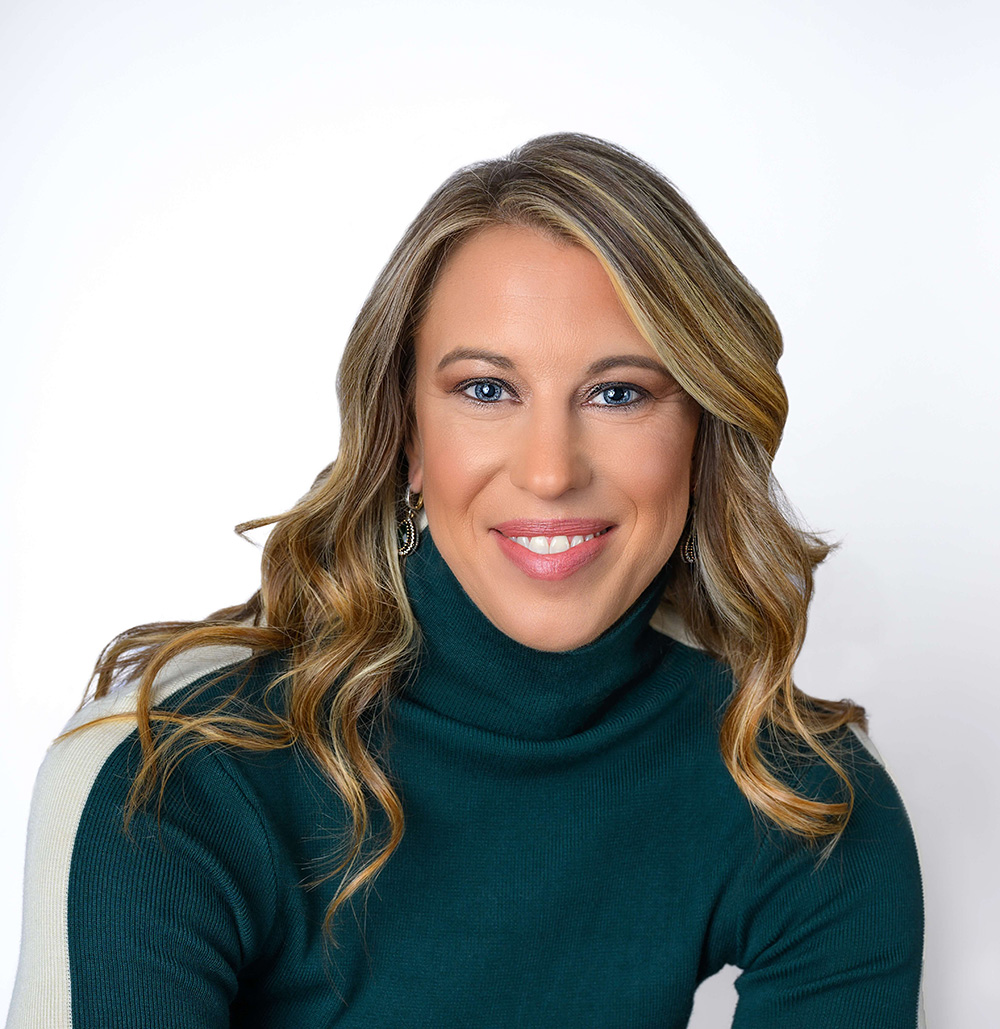
Dr. Ayla Wolf, a doctor of acupuncture and Oriental medicine, is a leading specialist in neurological rehabilitation and author of the books, The Concussion Breakthrough: Discover the Missing Pieces to Recovery and The Art of Concussion Recovery. She hosts Life After Impact: The Concussion Recovery Podcast. With over 20 years of clinical experience, she is known for her integrative approach to treating complex conditions like post-concussion syndrome, dizziness, vertigo, chronic migraine, and dysautonomia.

She is an Assistant Professor of Physical Medicine at the Carrick Institute and speaks internationally on concussion recovery and brain health. She is involved in ongoing clinical research on the effects of acupuncture for post-traumatic headaches. In her private practice in Stillwater Minnesota, Dr. Wolf combines applied clinical neuroscience with holistic therapies to deliver highly personalized care. Prior to living in Minnesota she served as the team acupuncturist for UFC and Legacy fighters at Fortis MMA in Dallas, Texas. Learn more at www.acupunctureneurology.com.
Morning lecture (1 HR)

Sunday, March 21, 2027

Concussion Recovery: Where Modern Neuroscience Meets Acupuncture

Concussion is one of the most common neurological injuries worldwide, yet many patients continue to experience persistent symptoms despite normal imaging and conventional treatment. Acupuncturists are uniquely positioned to play an important role in concussion recovery by addressing autonomic dysfunction, vestibular symptoms, headaches, neck dysfunction, sleep disturbances, and nervous system regulation.

This presentation provides an introduction to modern concussion science through the lens of acupuncture and Traditional East Asian Medicine. Participants will gain an updated understanding of concussion physiology, recognize common post-concussion symptom patterns, and explore how acupuncture can complement interdisciplinary neurological care.

Afternoon lecture (3 HRs)

Sunday, March 21, 2027

Modern Migraine Management: Autonomic, Immune, Hormonal and Neurological Factors

Migraine is one of the most common neurological disorders encountered in acupuncture practice, yet many patients continue to struggle despite medications, dietary changes, and years of treatment. This clinically focused presentation bridges modern neuroscience with Traditional East Asian Medicine to help practitioners better understand the physiologic drivers of migraine and develop more individualized treatment strategies.

Participants will review the latest acupuncture research, evidence-based treatment protocols, medication-overuse headaches, vestibular and ocular findings, hormonal and inflammatory contributors, histamine dysregulation, and practical examination techniques that can immediately be incorporated into clinical practice. Emphasis is placed on translating current research into simple, actionable clinical pearls that practitioners can begin using with patients the very next day.

Barbara de la Torre

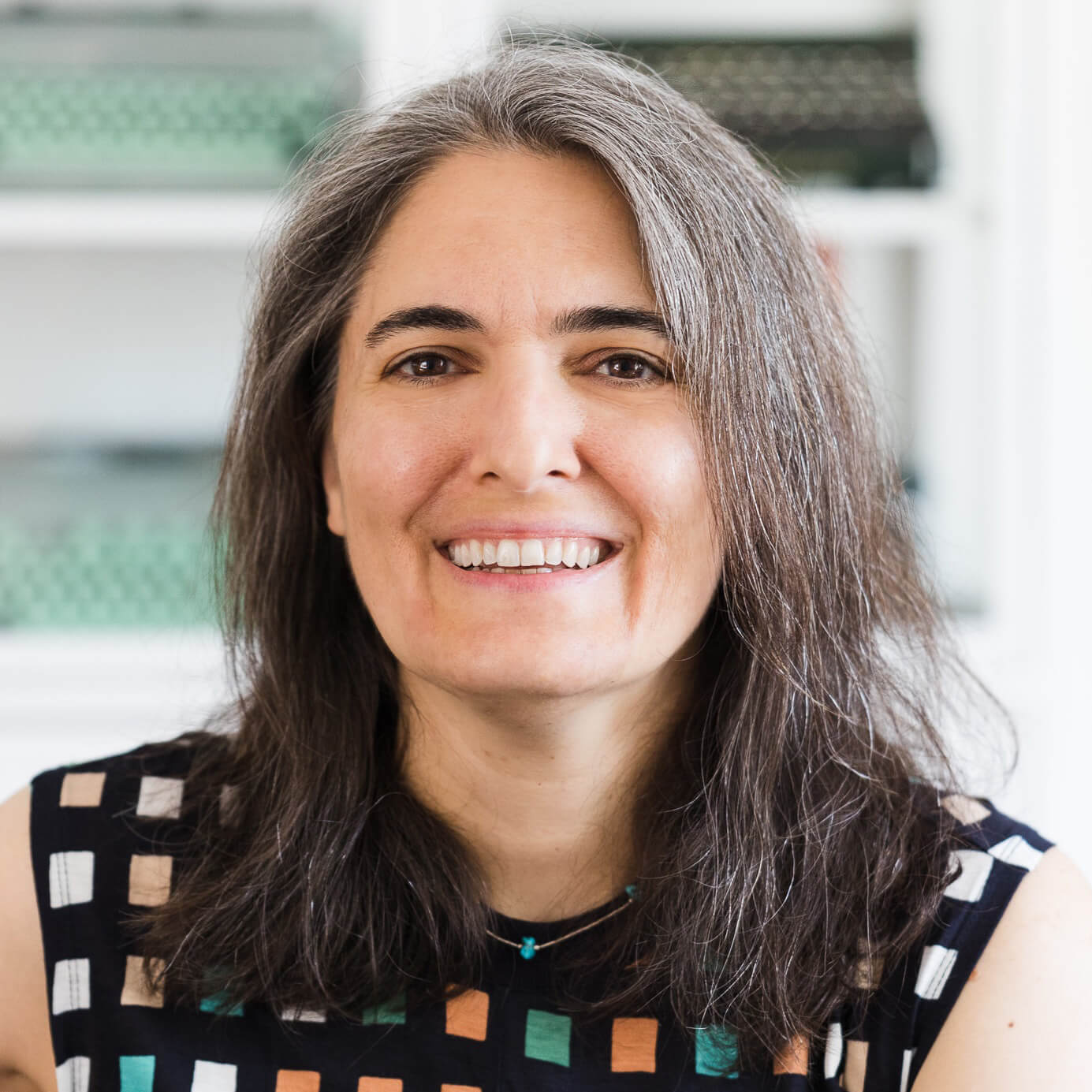
Barbara de la Torre, MD, DABMA, FAAMA, is a board-certified family physician, medical acupuncturist, educator, and founder of Third Opinion MD®. Her connection with Korean Hand Therapy (KHT) began through her family in the early 1990s, followed by formal study beginning in 2007 with Dan Lobash, PhD, LAc, one of North America’s foremost teachers of Tae Woo Yoo’s system. Through years of study and mentorship, Dr. Lobash encouraged her to carry this work forward and contribute to its continued evolution. Drawing on more than 25 years of clinical experience and training across multiple medical traditions, Dr. de la Torre now teaches and develops KHT for contemporary clinical practice while preserving the depth of the original system.
Morning lecture (1 HR)

Friday, March 19, 2027

Our Hands Hold the Key: Exploring the Power of Korean Hand Therapy

Korean Hand Therapy (KHT) offers acupuncturists an extraordinarily versatile system for assessment, treatment, and self-care. Yet today, many practitioners have had little or no exposure to it. What has been overlooked, and why does KHT deserve renewed attention?

Barbara de la Torre, MD, DABMA, FAAMA, brings KHT back into the conversation. Through compelling clinical cases and the story of a system that once had a greater presence in North American acupuncture education, she will explore what makes KHT distinctive, why it remains relevant today, and the breadth of its clinical and creative possibilities beyond correspondence therapy.

Attendees will discover how KHT can broaden both assessment and treatment options, whether used as a stand-alone system or integrated with other acupuncture methods. It can also offer practical approaches when body acupuncture may not be possible or desirable, along with applications for practitioner self-care and cultivation.

KHT may have faded from view, but its clinical potential has not. It is time to look again at what this powerful and evolving system can bring to acupuncture practice today and where its possibilities might lead next.

Afternoon lecture (3 HRs)

Friday, March 19, 2027

Korean Hand Therapy for Clinical Practice: An Introduction to Correspondence Therapy and Basic Prescriptions

Experience Korean Hand Therapy firsthand in this practical three-hour workshop focused on skills that can be put to use in clinical practice. Using the hand as a microsystem of the body, participants will learn to identify areas of correspondence, locate reactive points, and apply various stimulation methods and selective protocols.

Through demonstration, guided practice, and treatment approaches for common clinical presentations, participants will gain experience using KHT with one another and learn applications they can immediately begin incorporating into patient care.

No extensive previous KHT experience is required. Participants with prior exposure will have an opportunity to refresh and expand their skills, while those newer to KHT will gain a practical introduction to correspondence therapy and its clinical applications.

Brian Bowen

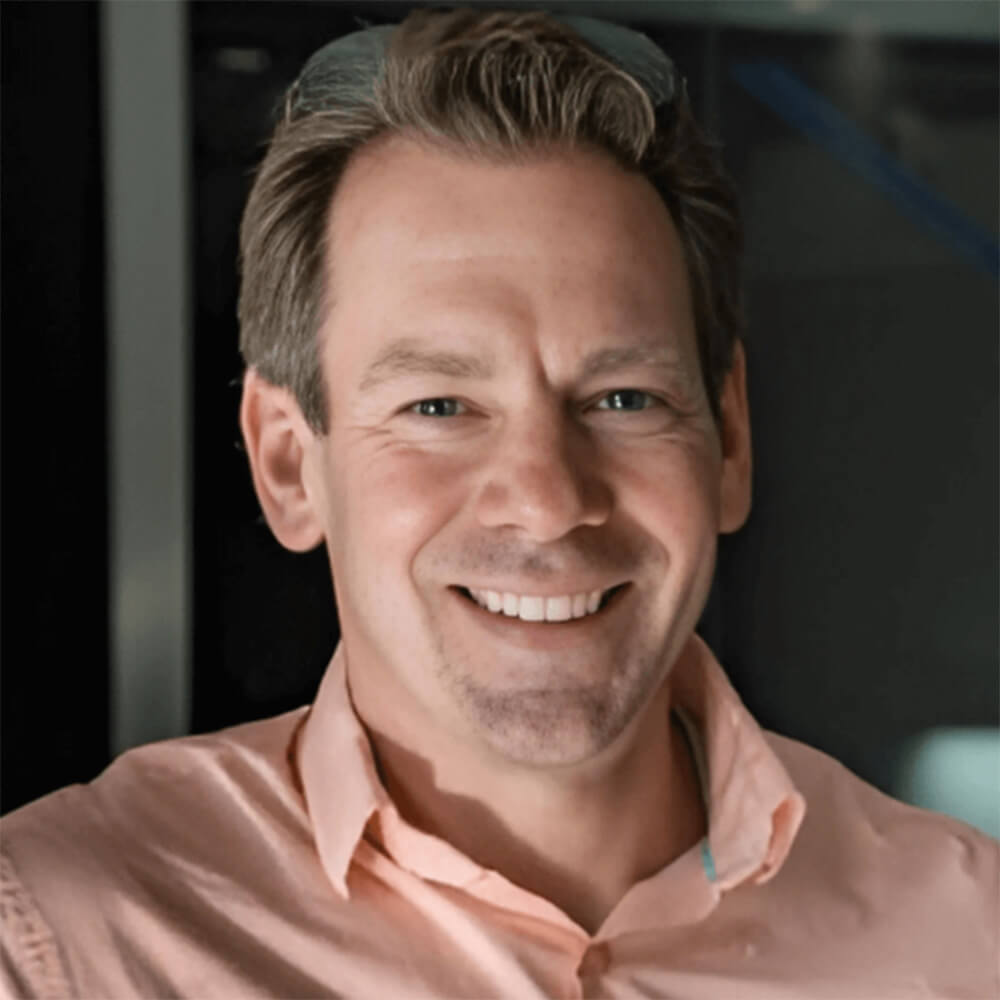
Brian Bowen, LAc, CMT, PAS, CES, CPT, CHPC, is an acupuncturist, educator, entrepreneur, and founder of Dāo Needle Therapy, with more than 26 years of clinical experience specializing in musculoskeletal pain, movement dysfunction, and integrative care.

Throughout his career, Brian has performed over 100,000 treatments and developed an approach that integrates TCM, modern biomechanics, postural assessment, and movement-based therapies. Drawing on decades of clinical experience, he developed Dāo Needle Therapy and the Specialized Dāo Needle and now teaches the technique to healthcare practitioners throughout the U.S. and internationally.

Brian also founded Integrative Health Inc., a multidisciplinary health and wellness practice in Colorado; Omni Therapy Supply, creator of the Omni 360 Face Cradle; and Outch, a line of topical pain-relief products.

At the heart of Brian’s work is a genuine passion for teaching, problem-solving, and creating practical tools that help practitioners better serve their patients.
Morning lecture (1 HR)

Sunday, March 21, 2027

Beyond the Ashi Point: Understanding Pain Mechanisms and the Therapeutic Effects of Needling

Pain is not simply a reflection of tissue damage, and effective treatment requires more than identifying where a patient hurts. By better understanding the mechanisms contributing to pain— and how the nervous system and connective tissues respond to therapeutic input—clinicians can become more intentional in both assessment and treatment.

This presentation explores how acupuncture and therapeutic needling may influence pain through mechanical, neurological, and local tissue mechanisms. By developing a better understanding of the mechanisms driving a patient’s pain, practitioners can begin to make more informed decisions about not only where to needle, but why they are needling and what therapeutic response they are attempting to create.

Particular attention will be given to the information clinicians can gather from Ashi points and changes in mechanical sensitivity.

Rather than viewing an Ashi point simply as a painful location to needle, we will explore how the patient’s response to mechanical pressure can provide clinically useful information. Understanding and monitoring changes in mechanical thresholds before, during, and after treatment can provide the practitioner with a practical therapeutic meter—helping evaluate tissue sensitivity, treatment response, and guide clinical decision-making in real time.

The lecture will also explore how different needling techniques may affect tissues differently depending on the type, function, mechanical state, and position of the tissue being treated. Contractile tissue may respond differently than inert connective tissue, just as postural muscles may require a different therapeutic approach than more phasic muscles.

We will examine how factors such as tissue length, tension, position, and mechanical loading can influence both the information gathered during assessment and the response to needling. By recognizing that tissue is not mechanically or neurologically uniform, practitioners can begin selecting and modifying their needling techniques based on the specific characteristics of the tissue and the therapeutic response they are attempting to create.

Ultimately, this presentation encourages practitioners to move beyond simply asking: “Where should I put the needle?” and begin asking:

“What tissue am I treating, what pain mechanism am I attempting to influence, and what therapeutic response am I trying to create?”

Afternoon lecture (3 HRs)

Sunday, March 21, 2027

From Assessment to Application: Tissue Mechanics & the Dao Needling Approach

This 3-hour hands-on needling workshop introduces participants to the clinical reasoning, specialized techniques, and needle design behind Dao Needling.

Building on concepts from the morning lecture, participants will move from theory into practical application—assessing, positioning, needling, and reassessing tissue in real time.

A central concept will be position versus condition. Through basic postural analysis, palpation, movement, and mechanical threshold testing, participants will explore whether a tissue is contributing to a patient’s presentation or simply responding to forces occurring elsewhere.

Participants will also learn the Dao principle:
“Bring the tissue to you.”

Patient positioning can alter tissue length, tension, orientation, and accessibility. Participants will practice positioning strategies that place the target tissue in the desired mechanical state before needling.

The Tissue, the Needle & the Technique

Not all tissues are the same—and they should not necessarily be needled the same way.

Through hands-on needling practice, participants will explore how treatment may differ based on tissue characteristics, including postural versus phasic muscle, contractile versus inert tissue, and shortened versus lengthened or tensioned tissue.

Participants will also be introduced to the specialized Dao needle and explore how needle design, shape, and gauge influence handling and mechanical interaction with tissue.

Selected Dao Needling techniques will be demonstrated and practiced, allowing participants to experience how tissue state, patient positioning, needle selection, and technique work together.

Throughout the workshop, participants will use a simple clinical framework:
Assess → Understand → Position → Select → Needle → Reassess

The goal is to move beyond simply asking “Where should I put the needle?” and begin asking:
Why this tissue?
Why this position?
Why this needle?
Why this technique?
How do I know if it worked?

Clara Cohen

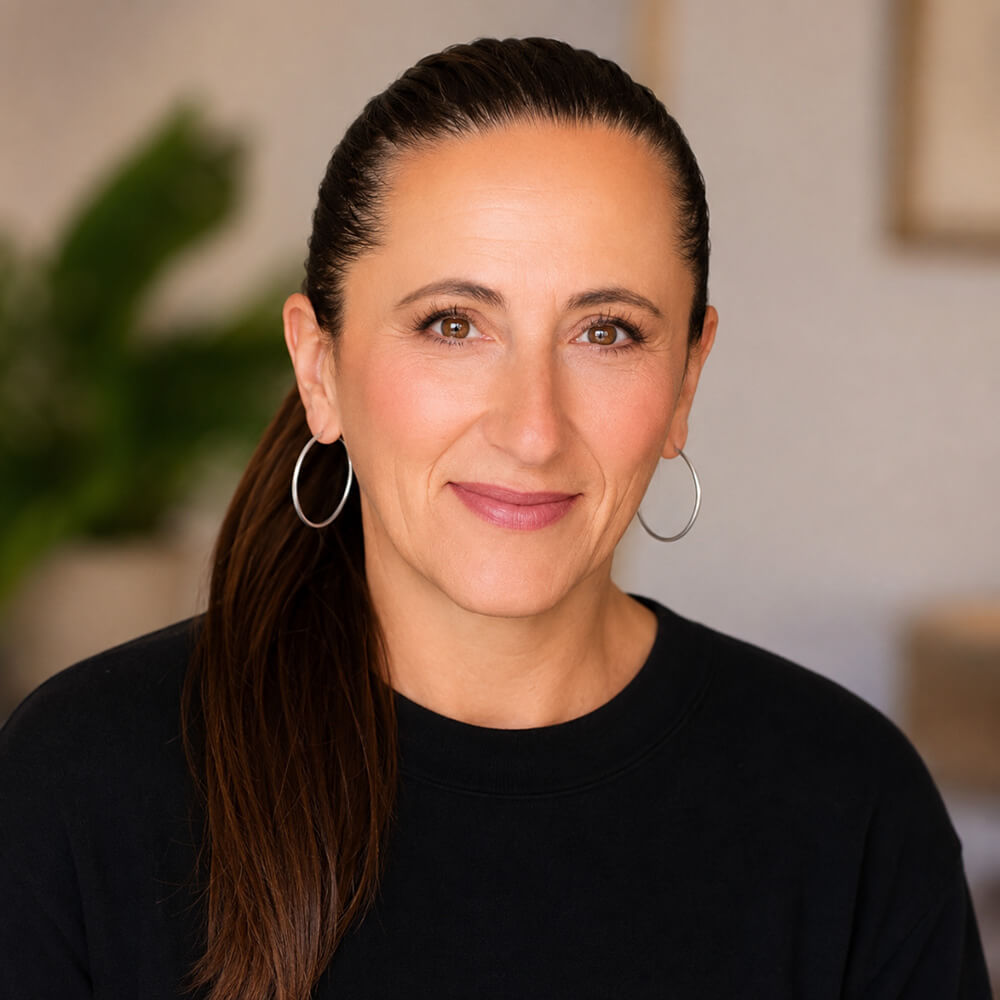
Clara Cohen, BSc, R.Ac. has been a registered acupuncturist since 2003 and is the founder of AcuPro Academy, an online platform dedicated to making TCM practical, visual, and easy to understand.

She is the host of The AcuPro Show podcast, the author of the Made Easy book series, and one of the most recognized acupuncture educators on social media, where her educational content reaches more than one million students and practitioners worldwide. Through her courses, books, and continuing education programs, she has helped over 14,000 acupuncture students and practitioners build greater confidence in their clinical practice.

Known for her energetic teaching style and her ability to simplify complex TCM concepts, Clara has spoken at conferences across Canada, the United Kingdom, India, Austria, and the Netherlands.

Her mission is simple: to help practitioners feel confident, capable, and connected to the medicine they love. As she likes to say, Acupuncture rocks, and so does the community built around it.
Morning lecture (1 HR)

Sunday, March 21, 2027

The Modern Acupuncturist: Building Trust, Growing Your Practice, and Thriving in the AI Era

The world has changed, and so have the expectations of our patients. In this practical and inspiring session, Clara shares how acupuncturists can use social media, educational content, and AI to build trust, educate their communities, and grow a thriving practice without feeling salesy or inauthentic. Attendees will leave with practical strategies they can implement immediately, regardless of their level of experience or comfort with technology.

Afternoon lecture (3 HRs)

Sunday, March 21, 2027

From Symptoms to Strategy: A 9-Step Framework for Solving Complex TCM Cases


Complex patients rarely present with a single textbook pattern. In this highly interactive workshop, Clara introduces her signature 9-Step Framework for Clinical Reasoning, a practical system that guides practitioners from the initial patient interview through diagnosis, treatment planning, and clinical decision-making.

Using real patient cases from over 23 years of clinical practice (with identifying details removed to protect patient privacy), participants will work through progressively challenging cases using the framework. Through instructor-led discussions, collaborative small-group exercises, and guided case analysis, attendees will learn how to organize clinical information, prioritize patterns, and develop confident treatment strategies.

Attendees will leave with a structured framework they can immediately apply to confidently assess and manage complex patients in everyday clinical practice.

David Lesondak

David Lesondak, BCSI, ATSI, FST, VMT is a fascia specialist, structural integrator, author and educator with over 30 years of clinical experience.

He is the author of The Fascia Connection, Fascia: What is and Why it Matters, and Fascia, Function and Medical Applications – widely recognized texts that bridge anatomy, fascia science, and integrative medicine. David lectures and holds workshops internationally on fascia-based therapy, collaborating with medical professionals, bodyworkers, acupuncturists, and movement practitioners to provide a pragmatic, evidence-informed understanding of the body.

David is an Allied Health member in the Department of Family and Community Medicine at the University of Pittsburgh Medical Center UPMC). He serves as the Senior Structural Integrator and Fascia Specialist at UPMC’s Center for Integrative Medicine.

He has been an invited speaker to diverse groups including the National Institutes of Health (NIH)  the Academic Consortium of Integrative Medicine; the LA Clippers & Philadelphia 76ers; the Australian, British, and Polish Fascia Symposiums;  the Anatomy Trains Master Class Series, and the University of Arizona College of Medicine.
Morning lecture (1 HR)

Friday, March 19, 2027

Fascia: The Interface between Qi and Biology

This presentation will give an overview of the fascia as the body’s collagen-based soft skeleton that starts from the underside of the skin and goes all the way down to every individual muscle fiber. Biodynamic, fascia adapt and changes as the body changes.

We’ll learn how this happens starting with our embryological beginnings and examine where fascia science and acupuncture theory overlap and reinforce each other.

Specific topics covered include

  • Fascia as the conduit for Qi
  • Acupuncture meridians and their myofascial counterparts
  • Needle grasp, obtaining Qi and mechanotransduction
  • Non-Neuronal Communication – Fascia & the Nervous System
  • Fascia and the Immune System
  • The Interstitium – the fluid continuum that unites East & West

There will be time for questions during the lecture.

Afternoon lecture (3 HRs)

Friday, March 19, 2027

Fascia-Based Approaches to Low Back Pain

Practitioners will be introduced to interconnected fascial anatomy and be shown how to think and treat in a more global/fascial way, rather than local/muscle approach.

Practitioners will learn specific techniques with active micro movements to engage both fascial plasticity and neuroplasticity.

Seated and side-lying techniques will be emphasized | Practitioners will work in pairs | Recommended dress code includes tops with minimal straps or vertical bands that obscure the spine, and loose-fitting shorts.

Deb Davies

Dr. Deb Davies, DACM, Dipl. OM, L.Ac., L.O.M., is a nationally recognized Doctor of Acupuncture and Chinese Medicine, clinician, and educator with more than 25 years of experience in integrative reproductive and perinatal care. Her clinical focus includes fertility, pregnancy, birth support, postpartum recovery, and women’s health across the lifespan.

Dr. Davies is the founder and lead mentor of PUSH Professionals, a perinatal mentorship program for licensed acupuncturists. She teaches continuing-education programs internationally, mentors practitioners and students, and serves on the faculty of the Won Institute of Graduate Studies.

Grounded in extensive clinical experience and informed by her personal journey through birth and loss, Dr. Davies is committed to providing compassionate, evidence-aware, patient-centered care. She maintains a private practice in Jenkintown, Pennsylvania.
Morning lecture (1 HR)

Saturday, March 20, 2027

Treating the Pregnant Patient: Top Tips to Boost Confidence, Safety, and Clarity in Pregnancy Acupuncture

A clinically grounded session focused on supporting pregnant patients with thoughtful, safe acupuncture care. This concise, high value refresher covers current best practices, foundational safety principles, and top tips for assessment, treatment planning, and knowing when a referral or co management is needed—so you leave feeling more confident treating pregnancy from the first visit onward.

Afternoon lecture (3 HRs)

Saturday, March 20, 2027

Conception Through Postpartum: Acupuncture Care That Supports the Whole Journey

This class offers a full spectrum view of perinatal acupuncture, with attention to both symptom relief and the broader landscape of maternal health. It includes safety and scope considerations, current research, and collaborative care strategies, as well as how to stay current with relevant clinical and public health issues. Designed for practitioners who want a clear, big picture framework for perinatal care that is both practical and professionally grounded.

Krystal Couture

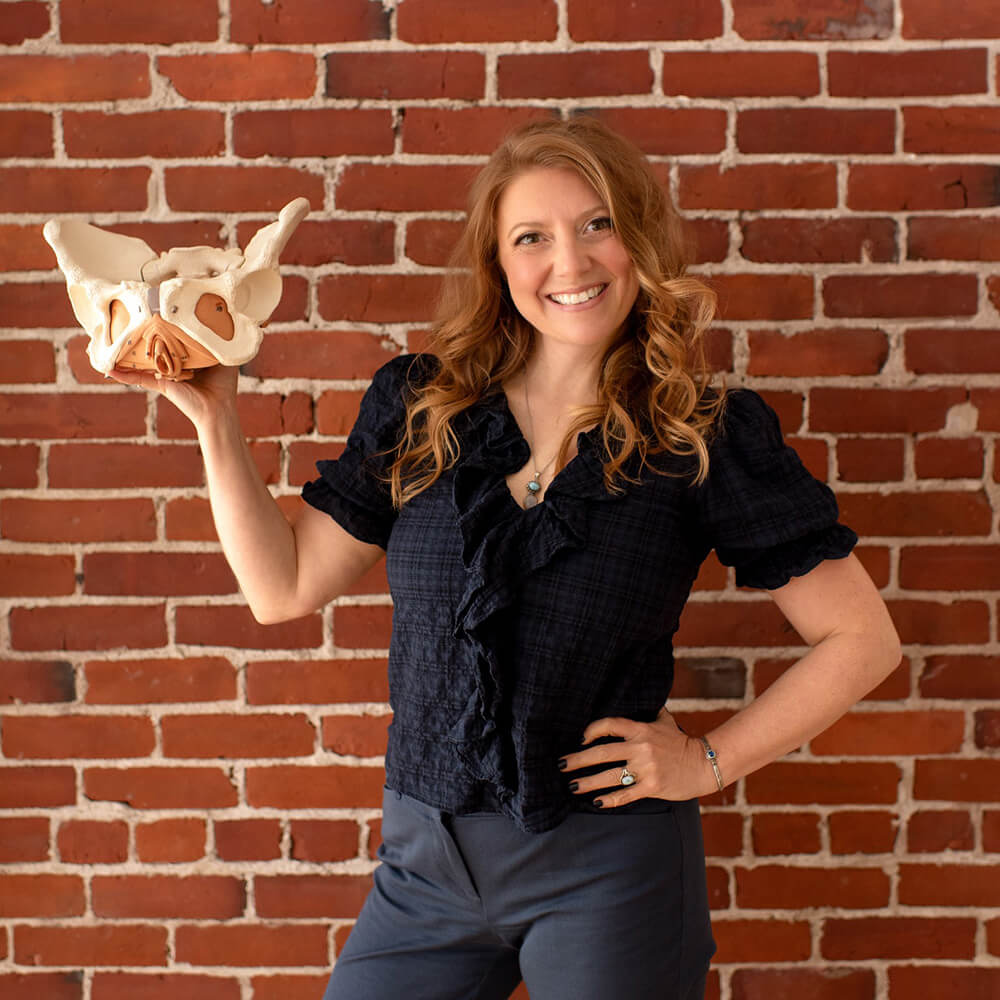
Dr. Krystal Lynn Couture, DPT, LAc is the founder of The Pelvic Acu. She has a boutique practice in New Hampshire, USA. As a pelvic care acupuncturist, she brings to her practice a background steeped in both biomedical and holistic knowledge. She has an extensive formal background, with a Doctorate in Physical Therapy from Husson University as well as a Master of Science in Acupuncture from the Institute of Taoist Education and Acupuncture.

Dr. Krystal has been published in Acupuncture Today and Medicinal Roots Magazine. She ’s been featured on Michelle Grasek’ s Acupuncture Marketing School Podcast, Qiological, The American Acupuncture Council, Hofstra Radio and Dao Labs.

Dr. Krystal teaches Pelvic Care to Acupuncturists around the globe!
Morning lecture (1 HR)

Saturday, March 20, 2027

Why Pelvic Pain Is Never Just Pelvic

This session introduces the convergence of visceral referral and musculoskeletal referral in the pelvis and hip. Attendees will learn why structural sources of pain, particularly the deep hip rotators, can present clinically identical to pelvic floor dysfunction. This class will provide an introduction to the role of acupuncturists in pelvic care. 

Afternoon lecture (3 HRs)

Saturday, March 20, 2027

Needling the Convergence: Structural Approaches to Pelvic Pain

This course provides a full clinical framework for treating structural contributors to pelvic pain, with focus on the piriformis, obturator internus, superior gemelli, inferior gemelli and the quadrates femurs. Attendees will review referral patterns, TCM pattern differentiation for presentations that appear structurally identical but differ in underlying pattern (stagnation, deficiency, and damp presentations), and current research on acupuncture for myofascial and referred pelvic pain. A live model demonstration of point location and needling technique will be followed by extended small group hands on practice, giving attendees direct experience locating and needling these structures before returning to clinical practice.

Philipp Weider

Philipp Weider is a Swiss practitioner of Traditional Chinese Medicine (TCM), international lecturer, and expert in laser acupuncture and photobiomodulation. With more than 22 years of clinical experience, he combines the principles of Traditional Chinese Medicine with modern therapeutic laser technologies to provide evidence-informed, patient-centered care.

For many years, Philipp has been teaching healthcare professionals throughout Switzerland and internationally in the fields of laser acupuncture, auriculomedicine, and clinical photobiomodulation. He serves as a lecturer, examiner, and mentor in higher professional education and is an instructor in the Swiss Laser Academy Certification Program.

His clinical expertise includes laser acupuncture, photobiomodulation, auricular medicine, acupuncture, Tuina therapy, and Chinese herbal medicine.

Recognized for his engaging and highly practical teaching style, Philipp combines scientific evidence with extensive clinical experience, translating complex concepts into practical treatment strategies that clinicians can immediately integrate into their daily practice. His educational focus includes laser safety, treatment dosimetry, frequency applications, evidence-based photobiomodulation, and the integration of therapeutic lasers into modern clinical practice.

Over the years, he has trained hundreds of healthcare professionals in the clinical application of therapeutic lasers and laser acupuncture, with a strong emphasis on safety, evidence-informed practice, and hands-on clinical implementation.

Alongside his international teaching activities, Philipp runs a private TCM clinic in Switzerland. His passion is to bridge the gap between traditional acupuncture and modern photobiomodulation, empowering healthcare professionals to expand their therapeutic possibilities and improve patient outcomes.
Morning lecture (1 HR)

Saturday, March 20, 2027

Beyond the Hype: What Every Practitioner Should Know About Photo Biomodulation

Lasers. Red light therapy. LEDs. Class IV systems. Home-use devices. Every year the market becomes more crowded—and the claims become more ambitious. But which technologies are supported by research, and which are driven primarily by marketing?

Join internationally recognized laser educator Philipp Weider for an evidence-based exploration of modern photo-biomodulation. This presentation will explain how therapeutic light works, why wavelength and power matter, and the key differences between laser and LED systems. You’ll leave with the knowledge to critically evaluate new technologies, understand where the science currently stands, and confidently decide when—and when not—to recommend light therapy in clinical practice.

Afternoon lecture (3 HRs)

Saturday, March 20, 2027

Therapeutic Lasers in Practice: From Safety Fundamentals to Clinical Treatment Protocols

Whether you already use therapeutic lasers or have been considering adding one to your practice, this workshop is designed to bridge the gap between theory and confident clinical application.

Beginning with the fundamentals, Philipp will compare today’s handheld laser systems, explain the technologies behind them, discuss appropriate indications and contraindications, review laser safety and eye protection, and outline practical strategies for avoiding treatment complications.

Building on this foundation, the workshop moves into real-world clinical practice. Through live demonstrations and detailed treatment protocols, attendees will see how handheld lasers can be integrated into everyday patient care for a variety of musculoskeletal and pain-related conditions. Volunteer demonstrations will allow participants to observe treatment techniques, patient positioning, dosing strategies, and clinical decision-making in real time.

Stephen Cowan

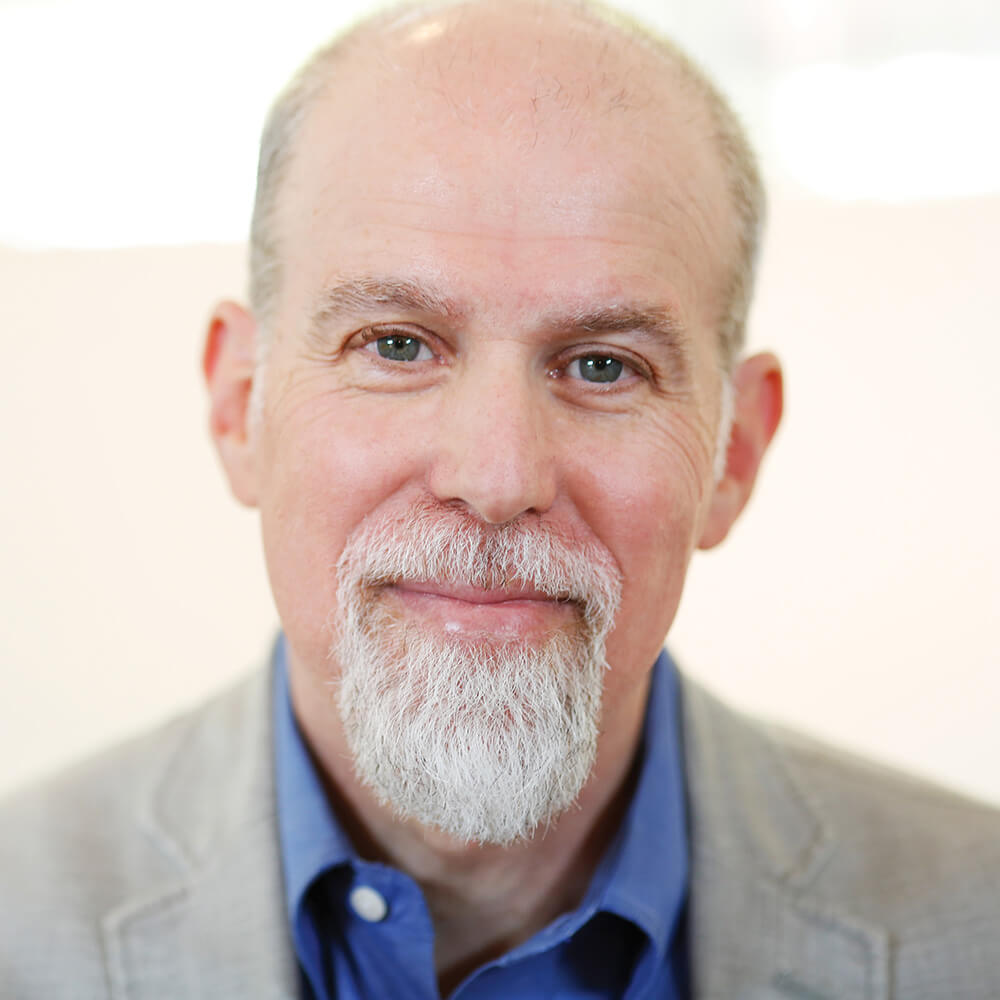
Stephen Cowan MD is a board-certified pediatrician with over 35 years of clinical experience working with children. He has a subspecialty in Developmental Pediatrics and is a fellow in the American Academy of Pediatrics serving as a member of the AAP section on Developmental
Disabilities. He is a longtime student of East Asian medicine and Taiji Quan, practicing what he calls “developmental acupuncture” that encourages the nourishing of life as a perpetual journey of change, recognizing the inseparability of mind, body and spirit and the intimate ecological relationship with our environment. Dr. Cowan is the author of several books including “Fire Child Water Child: How understanding the five types of ADHD can help you improve your child’s self-esteem and attention,” Coauthor with Z’ev Rosenberg“ A Ring Without End, Reflections on Classical Chinese Medicine Mind/Body Mapping,” and translation of “Sage Principles, Discourses on Taiji Medicine by Master Cheng Man-ching.” He is also the author/illustrator of several children’s books including the “Weather’s Bet,” “Vessel or Promises” and “The Lost Elephant,” that introduces the five elements to children. Dr. Cowan lectures internationally and currently has a medical consultation practice in Westchester, New York.

Morning lecture (1 HR)

Saturday, March 20, 2027

The Dao: A Hero’s Journey Through Childhood and Beyond

The Five Walks of Life (wuxing 五行) described in the Classics is a practical framework for how to relate to the world around us (and within.) This is the journey (dao 道) of growing our powers (de德). In this workshop, Dr. Stephen Cowan will show you how he plays with this model in clinical practice to promote relational health in growing children and their families.

What you’ll learn:

  • How to create an individualized “Hero’s Map” to explain principles of East-Asian medicine to children and their parents
  • How to harmonize areas of strength and weakness through practical games that improve resilience and enable any child to successfully share their gifts with the world.
  • Ways to use five-phase dynamics to optimize relationships and lovingly parent your kids

Afternoon lecture (3 HRs)

Saturday, March 20, 2027

Circadian Dissonance and the Loss of Attention in Our Times

The classics of Yin-Yang medicine have, for centuries, defined what health looks like based on the quality of our connection to day-night, heaven-and-earth cycles. Technological advances like social media and smart phones have only added to distraction and disconnection from these primal rhythms and have led to the rise of chronic alienation-inflammation, the underlying cause of many of the current medical conditions plaguing modern industrial culture. Emerging research in circadian biology seems to be slowly edging nearer to what the ancient sages of China have been telling us. In this workshop we will explore the modern biological evidence for our medicine and discover the many practical ways we can turn off the static and tune in to what Nature has always been here waiting to teach us.